Burkwoodii
Burkwood Viburnum (Viburnum × burkwoodii) is a beautiful flowering shrub prized for its exceptionally fragrant spring flowers, attractive glossy green foliage, and naturally rounded growth habit. Its abundant clusters of delicate white flowers emerge from pink flower buds, creating a lovely two-toned display that brings elegance and fragrance to traditional landscapes, foundation plantings, and mixed shrub borders.
In mid to late spring, Burkwood Viburnum produces an abundance of rounded flower clusters with a rich, sweet fragrance reminiscent of spice and vanilla. The fragrant blooms attract bees, butterflies, and other beneficial pollinators, making this shrub a wonderful addition to gardens designed for both beauty and wildlife.
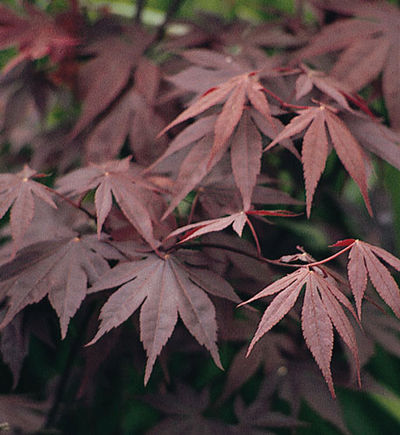
Throughout the growing season, Burkwood maintains attractive dark green foliage that provides a lush backdrop for surrounding flowering plants. Depending on the climate, it may retain some or much of its foliage through winter, making it semi-evergreen in colder regions and more evergreen in milder locations. In autumn, the leaves may develop attractive shades of burgundy, reddish-purple, and bronze.
Burkwood Viburnum is particularly well suited for formal estate-style landscapes, cottage gardens, traditional foundation plantings, and fragrant garden borders. Its naturally dense, rounded habit makes it an excellent choice for informal hedges, specimen plantings, and mixed flowering shrub beds. Plant it near patios, walkways, or outdoor seating areas where its delightful spring fragrance can be fully appreciated.
More About Burkwood Viburnum
Flowering Shrub
Deciduous to Semi-Evergreen, Depending on Climate
Rounded, Upright Growth Habit
Highly Fragrant Spring Flowers
Pink Flower Buds Opening to White
Abundant Spring Blooms
Glossy Dark Green Foliage
Attractive Burgundy and Bronze Fall Color
Pollinator Friendly
Attracts Bees and Butterflies
Generally Deer Resistant
Moderate Growth Rate
Low Maintenance Once Established
Excellent Specimen Shrub
Informal Hedge and Screening
Foundation Planting, Mixed Border, Fragrance Garden
Excellent Spring Interest
Height: 6–10 FeetSpread: 6–8 FeetHardiness Zone: 4–8
Characteristics
Sun Exposure: Full Sun to Partial Shade
Season of Interest: Spring, Summer, Fall
Soil Moisture: Average, Well Draining
Attributes: Fragrant Flowers, Pollinator Friendly, Rounded Growth, Semi-Evergreen in Mild Climates, Deer Resistant
Foliage Color: Dark Green; Burgundy to Bronze in Fall
Flower Color: Pink Buds Opening to White
Flower Fragrance: Strong, Sweet, Spicy
Berry Color: Red Maturing to Black, When Produced
Care & Maintenance Tips
Planting:
Plant in full sun to partial shade in fertile, well-drained soil. Burkwood Viburnum performs best with at least four to six hours of sunlight daily, although some afternoon shade can be beneficial in hotter locations. Choose a planting site with adequate room for its mature size and good air circulation.
For maximum enjoyment of its fragrant flowers, consider planting near patios, walkways, entrances, or outdoor seating areas.
Watering:
Water regularly during the first growing season to establish a strong root system. Once established, Burkwood Viburnum tolerates occasional dry periods but performs best with consistent moisture during extended periods of hot, dry weather.
Fertilizing:
Apply a balanced slow-release fertilizer in early spring if needed. Incorporating compost or organic matter around the root zone can improve soil quality and moisture retention. Avoid excessive fertilization, which may encourage foliage growth at the expense of flowering.
Pruning:
Burkwood Viburnum naturally develops an attractive rounded habit and generally requires minimal pruning. If shaping is necessary, prune immediately after flowering. Because flower buds form on old wood, pruning in late summer, fall, or early spring can remove the following season's blooms.
Remove dead, damaged, or crossing branches as needed to maintain healthy growth and an attractive appearance.
Winter Care:
Burkwood Viburnum is cold hardy but may lose some or all of its foliage during colder winters. Apply a layer of mulch around the root zone to help moderate soil temperatures and retain moisture. Protect newly planted shrubs from excessive winter wind exposure where practical.
Disease Prevention:
Provide adequate spacing and good air circulation to reduce the likelihood of fungal diseases. Avoid prolonged waterlogging and monitor plants for common viburnum pests, including viburnum leaf beetle.