Drought Tolerant

View

4 Way Combo Apple

This compact semi-dwarf tree offers four popular apple varieties grafted into its branches.  By grafting companions that bloom at the same time, two early and two later, it eliminates the need for a second tree as a pollinator.   This tree is great for smaller yards and tight spaces. This variety can produce bushels of apples for you to enjoy from just one small tree. More About Malus '4 in 1 Combo' Large Trees that Produce the First Season You get a bearing age tree that is several years old. Four popular varieties were carefully selected that grow well together. Continuously pruned branches give you more apples at a safe picking height. The thicker branches can mean up to twice the fruit as a normal tree. Interesting Notes: GROWN SAFE™  For your safety and peace of mind, we give you our word that for at least the past twelve months the only pest controls used on our fruit and berries are those listed by the Organic Materials Review Institute (OMR) for organic fruit and berry production. Apple Growing and Maintenance Tips Fertilize in spring with an all-purpose fertilizer before new growth begins. Proper pruning is a must for a combo but is not necessary for the first few years after planting your tree. Most people prune them back to keep a shorter tree. Take care not to get too close to the graft, prune dead or spindly branches.  Height: 15-25 FeetSpread: 15-20 FeetSpacing: 25-35 FeetHardiness Zone: 5-8 Malus '4 in 1 Combo' Characteristics Exposure: Full Sun, Partial Sun Soil Moisture: Moist, Well-Drained Attributes: Edible, Drought Tolerant, Heat Tolerant Habit: Upright Season of Interest (Flowering): Spring Season of Interest (Foliage): Summer, Fall

Regular price $150.00
Regular price Sale price $150.00
Unit price  per 
View product

4 Way Combo Cherry

This compact semi-dwarf tree offers four popular Cherry varieties grafted into its branches.  By grafting companions that bloom at the same time two early and two blooming later it eliminates the need for a second tree as a pollinator.   Great for smaller yards and tight spaces. Some gardeners even grow them in large pots. Bred to be prolific fruiters...you will enjoy an abundance of sweet delicious cherries from even a small tree. More About Prunus '4 in 1 Combo' Cherries are one of the easiest fruit trees to grow. Your 4-in-1 Cherry is self-pollinating, so you don't need a second tree. Large Trees that Produce the First Season You get a bearing age tree that is several years old. The four popular varieties were carefully selected to grow well together. Third generation fruit tree growers have perfected this tree over the decades. Continuously pruned branches give you more cherries at a safe picking height. These thicker branches can mean up to twice the fruit as a normal tree. Interesting Notes: GROWN SAFE™  For your safety and peace of mind, we give you our word that for at least the past twelve months the only pest controls used on our fruit and berries are those listed by the Organic Materials Review Institute (OMR) for organic fruit and berry production. Cherry Growing and Maintenance Tips Fertilize in spring with an all-purpose fertilizer before new growth begins. Proper pruning is a must for a combo but is not necessary for the first few years after planting your tree.  Most people prune them back to keep a shorter tree. Take care not to get too close to the graft, prune dead or spindly branches.  When fruit begins to ripen protect from birds by placing a thin net over the tree. Height: 15-25 FeetSpread: 15-20 FeetSpacing: 25-35 FeetHardiness Zone: 5-8 Prunus '4 in 1 Combo' Characteristics Exposure: Full Sun, Partial Sun Soil Moisture: Moist, Well-Drained Attributes: Edible, Drought Tolerant, Heat Tolerant Habit: Upright Season of Interest (Flowering): Spring Season of Interest (Foliage): Summer, Fall

Regular price $150.00
Regular price Sale price $150.00
Unit price  per 
View product

Adore

Adore™ Hardy Hibiscus (Hibiscus moscheutos ‘RutHib3’) is a dramatic herbaceous perennial featuring enormous pink flowers, deep red centers, and attractive burgundy-green foliage. Its tropical-looking blooms can reach impressive sizes and create a bold focal point during the heat of summer. Large pink flowers appear from mid to late summer above a dense, well-branched mound of foliage. The leaves develop rich burgundy tones with a distinctive soft texture, providing ornamental value even when the plant is not in bloom. The combination of dark foliage and oversized pink flowers makes Adore™ especially striking in mixed borders and mass plantings. Unlike Rose of Sharon, Adore™ Hardy Hibiscus is an herbaceous perennial. The plant dies back to the ground after frost and returns from its roots each spring. It thrives in sunny locations with consistent moisture and is an excellent choice for perennial beds, pollinator gardens, rain gardens, pond edges, mass plantings, and dramatic specimen plantings. More About Adore™ Hardy Hibiscus Herbaceous Perennial Large Pink Flowers Deep Red Flower Centers Burgundy-Green Foliage Long Summer Bloom Period Compact, Bushy Habit Heat Tolerant Moist Soil Tolerant Pollinator Friendly Attracts Butterflies & Hummingbirds Excellent for Borders, Mass Plantings, Rain Gardens & Specimen Plantings Tropical Appearance with Cold Hardiness Height: 3-4 FeetSpread: 3-4 FeetHardiness Zone: 5-9 Characteristics Sun Exposure: Full Sun Season of Interest: Summer into Early Fall Soil Moisture: Average to Moist Attributes: Flowering, Compact, Heat Tolerant, Moisture Tolerant, Pollinator Friendly Foliage Color: Green to Burgundy Flower Color: Pink with Deep Red Center Care & Maintenance Tips Planting:Plant in full sun for the strongest growth, best foliage color, and maximum flower production. Adore™ Hardy Hibiscus prefers rich soil with consistent moisture and performs particularly well in areas that remain moderately moist throughout the growing season. Watering:Keep the soil consistently moist, especially during periods of summer heat and active flowering. Hardy Hibiscus naturally performs well in moist conditions and generally requires more consistent water than drought-tolerant perennials. Fertilizing:Apply a balanced slow-release fertilizer in spring as new growth begins. Fertile soil, adequate moisture, and full sun will help support vigorous growth and its exceptionally large flowers. Pruning:Allow the plant to die back naturally after frost. Old stems can be left standing through winter and cut back close to ground level in late winter or early spring before new growth begins. Spring Emergence:Hardy Hibiscus is naturally late to emerge in spring. Don't assume the plant has died if neighboring perennials are already growing. New shoots often appear once soil temperatures have warmed.

Regular price $20.00
Regular price Sale price $20.00
Unit price  per 
View product

American Gold Rush

American Gold Rush Black-Eyed Susan (Rudbeckia ‘American Gold Rush’) is a compact, long-blooming perennial prized for its masses of brilliant golden-yellow flowers, tidy rounded habit, and excellent disease resistance. Growing approximately 22-27 inches tall and 36-40 inches wide, it forms a dense mound that becomes covered with flowers from midsummer into fall. Bright golden-yellow, daisy-like flowers surround dark brown centers, creating the classic Black-Eyed Susan appearance while attracting bees, butterflies, and other beneficial pollinators. Its narrow, hairy green foliage provides excellent resistance to Septoria leaf spot, a common problem that can cause significant spotting and decline on other Rudbeckia varieties. American Gold Rush is an excellent choice for perennial borders, foundation plantings, pollinator gardens, mass plantings, cottage gardens, naturalized areas, or as a colorful accent. Its combination of heavy flowering, compact growth, disease resistance, and adaptability makes it an exceptionally dependable perennial for sunny landscapes. More About American Gold Rush Black-Eyed Susan ● Low Maintenance ● Moderate Growing ● Herbaceous Perennial ● Long Blooming ● Brilliant Golden-Yellow Flowers ● Excellent Disease Resistance ● Excellent Septoria Leaf Spot Resistance ● Heat Tolerant ● Drought Tolerant Once Established ● Perennial Border, Foundation Planting, Pollinator Garden, Mass Planting, Cottage Garden, Naturalized Area ● Dense, Rounded Habit ● Attracts Bees & Butterflies ● Excellent Pollinator Plant ● Deer Resistant ● Excellent Cut Flower ● Provides Fall & Winter Wildlife Value Height: 22-27 Inches Spread: 36-40 Inches Hardiness Zone: 4-9 Characteristics ● Sun Exposure: Full Sun ● Season of Interest: Summer, Fall ● Soil Moisture: Average, Well Draining ● Attributes: Compact, Rounded, Long Blooming, Disease Resistant, Pollinator Friendly ● Foliage Color: Green ● Flower Color: Golden Yellow with Dark Brown Centers Care & Maintenance Tips Planting: Plant in full sun for the strongest growth and heaviest flowering. American Gold Rush performs best in average, well-drained soil but is adaptable to a variety of soil conditions. Allow adequate spacing for its broad, rounded mature habit. Watering: Water consistently during the first growing season to establish a strong root system. Once established, American Gold Rush is relatively drought tolerant but will perform and flower best with occasional supplemental watering during prolonged periods of hot, dry weather. Fertilizing: Very little fertilizer is required. If needed, apply a light application of balanced slow-release fertilizer in early spring. Avoid excessive fertilization, which can encourage excessive foliage growth and weaker stems. Pruning: Deadheading spent flowers can encourage a tidier appearance and continued flowering, but it is not required. Leaving some seed heads standing in fall and winter provides food for birds and additional seasonal interest. Cut old growth back in late winter or early spring before new growth begins.

Regular price $20.00
Regular price Sale price $20.00
Unit price  per 
View product

Autumn Fire

Autumn Fire Sedum (Hylotelephium ‘Autumn Fire’, commonly sold as Sedum ‘Autumn Fire’) is a durable, late-blooming perennial prized for its large flower clusters, sturdy upright stems, succulent foliage, and rich fall color. Growing approximately 24-30 inches tall and 18-24 inches wide, it forms a dense, upright clump that provides attractive texture and structure throughout the growing season. Large, flat-topped flower clusters begin opening pink in late summer before gradually deepening to rich rosy-red, brick-red, and bronze tones as fall progresses. The flowers retain their color for an extended period and provide an important late-season nectar source for bees, butterflies, and other beneficial pollinators. Autumn Fire is an excellent choice for perennial borders, foundation plantings, pollinator gardens, mass plantings, rock gardens, cottage gardens, or as a colorful accent. Its sturdy stems and dried flower heads can be left standing through winter for additional texture and seasonal interest. More About Autumn Fire Sedum ● Low Maintenance ● Moderate Growing ● Herbaceous Perennial ● Late Blooming ● Long-Lasting Flowers ● Large Flower Clusters ● Strong, Sturdy Stems ● Drought Tolerant Once Established ● Heat Tolerant ● Perennial Border, Foundation Planting, Pollinator Garden, Mass Planting, Rock Garden, Cottage Garden, Accent ● Upright, Clumping Habit ● Succulent Foliage ● Attracts Bees & Butterflies ● Excellent Pollinator Plant ● Deer Resistant ● Rabbit Resistant ● Excellent Cut Flower ● Provides Winter Interest Height: 24-30 Inches Spread: 18-24 Inches Hardiness Zone: 3-9 Characteristics ● Sun Exposure: Full Sun to Part Sun ● Season of Interest: Summer, Fall, Winter ● Soil Moisture: Dry to Average, Well Draining ● Attributes: Upright, Clumping, Succulent, Late Blooming, Pollinator Friendly ● Foliage Color: Blue-Green ● Flower Color: Pink, Deepening to Rosy Red, Brick Red and Bronze Care & Maintenance Tips Planting: Plant in full sun for the strongest stems, densest growth, and heaviest flowering. Autumn Fire can tolerate some light shade, but excessive shade may result in weaker stems and reduced flowering. It performs best in well-drained soil and is an excellent choice for hot, dry locations. Watering: Water consistently during the first growing season to establish a strong root system. Once established, Autumn Fire is highly drought tolerant and generally requires very little supplemental watering. Avoid consistently wet or poorly drained soil, particularly during winter. Fertilizing: Very little fertilizer is required. Autumn Fire performs well in relatively lean soils. Excessive fertilizer can encourage weak or floppy growth. Pruning: Leave the dried flower heads standing through winter for additional texture and seasonal interest. Cut the old stems back to the ground in late winter or early spring before new growth begins. Spent flowers can be removed earlier if a tidier appearance is preferred.

Regular price $20.00
Regular price Sale price $20.00
Unit price  per 
View product

Autumn Joy

Autumn Joy Sedum (Hylotelephium ‘Herbstfreude’, commonly sold as Sedum ‘Autumn Joy’) is a dependable, late-blooming perennial prized for its large flower clusters, succulent foliage, and exceptional tolerance of hot, dry conditions. Growing approximately 18-24 inches tall and wide, it forms a dense, upright clump of thick blue-green foliage that provides attractive texture throughout the growing season. Large, flat-topped flower clusters begin developing in summer and gradually open to soft pink before deepening to rosy pink, reddish-bronze, and copper tones as fall progresses. The late-season flowers provide an important source of nectar for bees, butterflies, and other pollinators when many other garden plants have finished blooming. Autumn Joy is an excellent choice for perennial borders, foundation plantings, pollinator gardens, mass plantings, rock gardens, cottage gardens, or as a colorful accent. Its dried flower heads can be left standing through winter to provide additional texture and seasonal interest. More About Autumn Joy Sedum ● Low Maintenance ● Moderate Growing ● Herbaceous Perennial ● Late Blooming ● Long-Lasting Flowers ● Drought Tolerant Once Established ● Heat Tolerant ● Perennial Border, Foundation Planting, Pollinator Garden, Mass Planting, Rock Garden, Cottage Garden, Accent ● Upright, Clumping Habit ● Succulent Foliage ● Attracts Bees & Butterflies ● Excellent Pollinator Plant ● Deer Resistant ● Rabbit Resistant ● Excellent Cut Flower ● Provides Winter Interest Height: 18-24 Inches Spread: 18-24 Inches Hardiness Zone: 3-9 Characteristics ● Sun Exposure: Full Sun to Part Sun ● Season of Interest: Summer, Fall, Winter ● Soil Moisture: Dry to Average, Well Draining ● Attributes: Upright, Clumping, Succulent, Late Blooming, Pollinator Friendly ● Foliage Color: Blue-Green ● Flower Color: Pink, Deepening to Rosy Red and Bronze Care & Maintenance Tips Planting: Plant in full sun for the strongest stems, densest growth, and heaviest flowering. Autumn Joy can tolerate some light shade, but excessive shade may result in weaker stems and reduced flowering. It performs best in well-drained soil and is an excellent choice for hot, dry locations. Watering: Water consistently during the first growing season to establish a strong root system. Once established, Autumn Joy is highly drought tolerant and generally requires very little supplemental watering. Avoid consistently wet or poorly drained soil, particularly during winter. Fertilizing: Very little fertilizer is required. Autumn Joy performs well in relatively lean soils. Excessive fertilizer can encourage weak, floppy growth and reduce the plant’s naturally sturdy habit. Pruning: Leave the dried flower heads standing through winter for additional texture and seasonal interest. Cut the old stems back to the ground in late winter or early spring before new growth begins. Spent flowers can also be removed earlier if a tidier appearance is preferred.

Regular price $20.00
Regular price Sale price $20.00
Unit price  per 
View product

Bellini® Grape

Bellini® Grape Crape Myrtle (Lagerstroemia indica Bellini® Grape) is a compact flowering shrub prized for its vibrant purple flowers, tidy growth habit, and long summer bloom period. Growing approximately 3-4 feet tall and wide, it provides the colorful display of a traditional crape myrtle in a compact form that fits easily into residential landscapes and smaller planting beds. Abundant clusters of rich grape-purple flowers appear throughout summer, providing bold color during the hottest part of the growing season. Its attractive green foliage creates a dense backdrop for the flowers and maintains a neat, rounded appearance throughout the season. Bellini Grape is an excellent choice for foundation plantings, mixed borders, mass plantings, low flowering hedges, containers, or as a colorful accent. Its compact size and tolerance of summer heat make it especially useful for sunny locations where extended seasonal color is desired. More About Bellini Grape Crape Myrtle ● Low Maintenance ● Moderate Growing ● Deciduous Flowering Shrub ● Rich Grape-Purple Flowers ● Long Blooming ● Heat Tolerant ● Drought Tolerant Once Established ● Foundation Planting, Mixed Border, Mass Planting, Low Flowering Hedge, Container, Accent ● Compact, Rounded Habit ● Attracts Pollinators ● Deer Resistant Height: 3-4 Feet Spread: 3-4 Feet Hardiness Zone: 6-9 Characteristics ● Sun Exposure: Full Sun ● Season of Interest: Summer, Fall ● Soil Moisture: Average, Well Draining ● Attributes: Compact, Rounded, Flowering, Long Blooming ● Foliage Color: Green ● Flower Color: Grape Purple Care & Maintenance Tips Planting: Plant in full sun for the strongest growth and heaviest flowering. Bellini Grape performs best with at least 6 hours of direct sunlight per day. It prefers fertile, well-drained soil and should not be planted in locations that remain consistently saturated. Watering: Water consistently during the first growing season to establish a strong root system. Once established, Bellini Grape is drought tolerant but will perform and flower best with supplemental watering during extended periods of hot, dry weather. Fertilizing: Apply a balanced slow-release fertilizer in early spring as new growth begins if needed. Avoid excessive nitrogen, which can encourage foliage growth at the expense of flowering. Pruning: Bellini Grape blooms on new wood and can be pruned in late winter or early spring before new growth begins. Remove dead or damaged branches and lightly shape as needed. Its naturally compact habit generally requires very little pruning. Winter Care: In colder portions of its growing range, apply mulch around the root zone to provide additional winter protection. Some stem dieback may occur following particularly severe winters, but established plants can produce vigorous new growth from the base.

Regular price $40.00
Regular price Sale price $40.00
Unit price  per 
View product

Big Blue

Liriope muscari 'Big Blue' is a tough, low-maintenance perennial that delivers clean, grass-like texture and reliable color all season long. Forming dense clumps about 12–18 inches tall and wide, it’s perfect for edging, mass plantings, or filling in under trees where other plants struggle. In late summer, it sends up spikes of rich purple flowers that add a pop of color, followed by small dark berries in fall. ‘Big Blue’ thrives in sun to shade, tolerates poor soils, drought, and even salt, making it an ideal choice for both residential and commercial landscapes. Durable, versatile, and deer resistant, it’s a go-to groundcover that looks great with minimal effort. More About Liriope muscari 'Big Blue' Sun and shade loving plant Blooms in late summer Tender Evergreen, could brown up. Shear back for new flush of growth in spring Clumping Habit Mass planting, ground cover, edging, space filler Deer resistant Drought tolerant after roots get established Liriope muscari Growing and Maintenance Tips Spacing: 12-18" (can go tighter to fill in quicker) Plant at soil level Water well to get roots established Pruning: Shear back to about 2-3" in late winter/early spring Height: 12-18"Spread: 12-18"Hardiness Zone: 5-10 Liriope muscari 'Big Blue' Characteristics Exposure: Full Sun- full shade Soil Moisture: adaptable to most soils  Attributes: Low Maintenance, Deer resistant, drought tolerant Season of Interest (Flowering): Spring- Fall

Regular price From $45.00
Regular price Sale price From $45.00
Unit price  per 
View product

Bloodgood

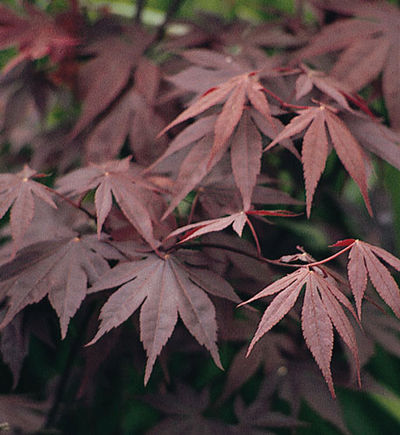
Bloodgoods have bright red leaves in the spring - maturing to a rich purple-red color during the summer - becoming a bright crimson in the fall. This sturdy, deciduous tree makes an excellent selection for nearly any landscape!  A vigorous upright grower that becomes rounded with age.  Small inconspicuous red flowers in spring followed by red fruit in early fall.  This tree retains its color well even during summer heat. More About Acer palmatum 'Bloodgood' Small tree ideal for smaller gardens. Retains color even in hot weather. Brilliant fall color. Winter interest. Interesting Notes: Mainly used as a single specimen; in landscapes the Japanese maple makes a striking display when used to line a driveway, along property lines or in groupings.  When used in this way, the recommended spacing for this tree is 20 feet apart.  Japanese maple Growing and Maintenance Tips Easily grown in average, medium, well-drained soil in full sun to part shade. Fertilize in spring with an all-purpose fertilizer before new growth begins.   Height: 15-20 FeetSpread: 15 FeetSpacing: 20-25 FeetHardiness Zone: 5-8 Acer palmatum 'Bloodgood' Characteristics Exposure: Full Sun, Partial Sun Soil Moisture: Average Water Attributes: Fall Color, Great Foliage, Low Maintenance, Fast Growing, Specimen, Focal Point Foliage Color: Burgundy Habit: Mounding, Upright Season of Interest (Foliage): Summer, Fall, Early Color

Regular price From $200.00
Regular price Sale price From $200.00
Unit price  per 
View product

Blue By You

Blue by You Meadow Sage (Salvia nemorosa ‘Blue by You’) is a beautiful flowering perennial prized for its vibrant violet-blue flower spikes, compact growth habit, and exceptionally long blooming season. Its upright flowers rise above attractive green foliage, creating a colorful display in perennial borders, mixed landscape beds, and pollinator gardens. Blooming earlier than many traditional perennial salvias, Blue by You produces an abundance of deep violet-blue flowers beginning in late spring. With proper deadheading, it can rebloom throughout summer and into early fall, providing extended seasonal color. Its aromatic foliage and nectar-rich flowers make it especially attractive to bees, butterflies, and other beneficial pollinators. Blue by You is an excellent choice for cottage gardens, formal borders, mass plantings, and low-maintenance landscapes. Its upright flower spikes add vertical texture and contrast beautifully with rounded flowering shrubs, ornamental grasses, and other summer-blooming perennials. More About Blue by You Meadow Sage Herbaceous Perennial Compact, Upright Growth Habit Vibrant Violet-Blue Flower Spikes Early and Repeat Blooming Long Blooming Season Aromatic Green Foliage Pollinator Friendly Attracts Bees and Butterflies Deer Resistant Rabbit Resistant Drought Tolerant Once Established Heat Tolerant Excellent for Mass Plantings Perennial Border, Mixed Bed, Cottage Garden, Pollinator Garden, Accent Excellent Spring and Summer Color Height: 18–22 InchesSpread: 18–24 InchesHardiness Zone: 4–9 Characteristics Sun Exposure: Full Sun Season of Interest: Late Spring, Summer, Early Fall Soil Moisture: Dry to Average, Well Draining Attributes: Compact, Upright, Reblooming, Deer Resistant, Rabbit Resistant, Pollinator Friendly Foliage Color: Green Flower Color: Violet-Blue Care & Maintenance Tips Planting: Plant in full sun in well-drained soil. Blue by You performs best with at least six hours of direct sunlight daily. Avoid poorly drained or consistently wet locations, particularly during winter, as excess moisture can damage the root system. Watering: Water regularly during the first growing season to establish a strong root system. Once established, Blue by You has good drought tolerance and generally requires supplemental watering only during extended periods of hot, dry weather. Fertilizing: Blue by You generally requires little fertilizer. Apply a light application of balanced slow-release fertilizer in early spring if needed. Avoid excessive fertilization, which can encourage soft foliage growth at the expense of flowering. Pruning: Remove spent flower spikes after the initial bloom to encourage additional flowering. Cutting the plant back by approximately one-third after the first major flush can promote fresh growth and repeat blooms. Remove dead stems and foliage in late winter or early spring before new growth begins. Winter Care: Ensure excellent drainage throughout winter. In colder climates, leave some old growth standing until early spring to help protect the crown from harsh winter conditions.

Regular price $20.00
Regular price Sale price $20.00
Unit price  per 
View product

Blue Chiffon®

Blue Chiffon® Rose of Sharon (Hibiscus syriacus ‘Notwoodthree’) is a beautiful deciduous flowering shrub prized for its large, soft blue flowers, delicate semi-double blooms, and graceful upright growth habit. Its elegant flowers feature a distinctive lacy center, creating a soft, romantic appearance that adds color and texture to the summer landscape. Blooming from midsummer into early fall, Blue Chiffon® provides an impressive display when many spring-flowering shrubs have finished blooming. Its lavender-blue flowers contrast beautifully against rich green foliage, making it an excellent choice for mixed borders, foundation plantings, flowering hedges, and specimen plantings. Blue Chiffon® is particularly attractive in cottage gardens, traditional landscapes, and formal estate-style designs. Its upright habit makes it useful for adding height and structure, while its extended flowering season attracts bees, butterflies, and other pollinators. More About Blue Chiffon® Rose of Sharon Low Maintenance Moderate Growing Deciduous Flowering Shrub Large, Semi-Double Blue Flowers Long Summer Bloom Period Upright, Bushy Growth Habit Heat Tolerant Drought Tolerant Once Established Pollinator Friendly Attracts Butterflies Excellent for Flowering Hedges & Screening Foundation Planting, Mixed Border, Mass Planting, Accent, Specimen Excellent Late-Summer Color Height: 8–12 FeetSpread: 4–6 FeetHardiness Zone: 5–9 Characteristics Sun Exposure: Full Sun to Part Sun Season of Interest: Summer into Early Fall Soil Moisture: Average, Well Draining Attributes: Upright, Flowering, Heat Tolerant, Pollinator Friendly, Screening Foliage Color: Green Flower Color: Lavender-Blue with Lacy Center Care & Maintenance Tips Planting: Plant in full sun for the strongest growth and best flower production. Blue Chiffon® Rose of Sharon prefers fertile, well-drained soil but adapts to a variety of soil conditions. Allow sufficient space for its mature height and width, particularly when planting near foundations, walkways, or other shrubs. Watering: Water regularly during the first growing season to establish a strong root system. Once established, Blue Chiffon® has good drought tolerance, although occasional deep watering during extended hot and dry periods will help maintain healthy foliage and consistent flowering. Fertilizing: Apply a balanced slow-release fertilizer in early spring if needed. Avoid excessive nitrogen fertilization, which can encourage leafy growth at the expense of flower production. Pruning: Blue Chiffon® Rose of Sharon blooms on new wood, making late winter or early spring the ideal time for pruning. Remove dead, damaged, or crossing branches and selectively prune to maintain the desired shape. Light annual pruning can encourage a fuller habit and maintain a tidy appearance. Winter Care: Blue Chiffon® is a woody deciduous shrub that loses its leaves in fall but retains its branches through winter. Unlike perennial hardy hibiscus, it does not die back to the ground each year. New foliage develops on the existing branches in spring.

Regular price $50.00
Regular price Sale price $50.00
Unit price  per 
View product

Blue Fortune

Blue Fortune Agastache (Agastache ‘Blue Fortune’) is a long-blooming perennial prized for its abundant lavender-blue flower spikes, fragrant foliage, and exceptional pollinator value. Growing approximately 2-3 feet tall and 18-24 inches wide, it develops an upright, clumping habit that provides excellent vertical color and texture throughout the summer landscape. Dense spikes of tiny lavender-blue flowers appear from midsummer into early fall and are highly attractive to bees, butterflies, hummingbirds, and other beneficial pollinators. Its aromatic green foliage has a pleasant mint-like scent and is generally avoided by deer and rabbits. Blue Fortune is an excellent choice for perennial borders, pollinator gardens, cottage gardens, mass plantings, naturalized areas, or as a colorful accent. Once established, it is highly tolerant of heat and drought and performs especially well in sunny locations with good drainage. More About Blue Fortune Agastache ● Low Maintenance ● Moderate Growing ● Herbaceous Perennial ● Long Blooming ● Lavender-Blue Flower Spikes ● Fragrant Foliage ● Drought Tolerant Once Established ● Heat Tolerant ● Perennial Border, Pollinator Garden, Cottage Garden, Mass Planting, Naturalized Area, Accent ● Upright, Clumping Habit ● Attracts Bees & Butterflies ● Attracts Hummingbirds ● Excellent Pollinator Plant ● Deer Resistant ● Rabbit Resistant ● Excellent Cut Flower Height: 2-3 Feet Spread: 18-24 Inches Hardiness Zone: 5-9 Characteristics ● Sun Exposure: Full Sun ● Season of Interest: Summer, Fall ● Soil Moisture: Dry to Average, Well Draining ● Attributes: Upright, Clumping, Fragrant, Long Blooming, Pollinator Friendly ● Foliage Color: Green ● Flower Color: Lavender Blue Care & Maintenance Tips Planting: Plant in full sun for the strongest growth and heaviest flowering. Blue Fortune performs best in well-drained soil and is an excellent choice for hot, sunny locations. Good drainage is particularly important during winter, as consistently wet soil can lead to root and crown problems. Watering: Water consistently during the first growing season to establish a strong root system. Once established, Blue Fortune is drought tolerant and generally requires supplemental watering only during extended periods of hot, dry weather. Avoid consistently saturated soil. Fertilizing: Blue Fortune generally requires very little fertilizer. If needed, apply a light application of balanced slow-release fertilizer in early spring. Excessive fertilizer can encourage unnecessary foliage growth and weaker stems. Pruning: Remove spent flower spikes if a tidier appearance is desired, although leaving some flowers can provide additional interest and food for wildlife. Cut old growth back in late winter or early spring before new growth begins.

Regular price $20.00
Regular price Sale price $20.00
Unit price  per 
View product

Blue Hill

Blue Hill Meadow Sage (Salvia nemorosa ‘Blauhügel’) is a beautiful compact perennial prized for its soft violet-blue flower spikes, aromatic green foliage, and long blooming season. Its upright flowers create an elegant display above a dense mound of foliage, adding color and vertical texture to perennial borders, mixed landscape beds, and pollinator gardens. Beginning in late spring to early summer, Blue Hill produces an abundance of soft blue flowers that attract bees, butterflies, and other beneficial pollinators. With proper deadheading, additional blooms may appear throughout summer, extending its seasonal interest. Its naturally compact habit makes it particularly useful for edging, smaller gardens, mass plantings, and foundation borders. Blue Hill is especially attractive in cottage gardens, traditional landscapes, and formal estate-style designs. Its cool blue flowers pair beautifully with white, pink, and yellow flowering perennials, while its upright flower spikes provide contrast against rounded evergreen shrubs and broad-leaved plants. More About Blue Hill Meadow Sage Herbaceous Perennial Compact, Mounded Growth Habit Soft Violet-Blue Flower Spikes Long Spring and Summer Bloom Period Reblooming with Deadheading Aromatic Green Foliage Pollinator Friendly Attracts Bees and Butterflies Deer Resistant Rabbit Resistant Drought Tolerant Once Established Heat Tolerant Excellent for Mass Plantings Perennial Border, Edging, Cottage Garden, Pollinator Garden, Accent Excellent Spring and Summer Color Height: 18–24 InchesSpread: 18–24 InchesHardiness Zone: 4–8 Characteristics Sun Exposure: Full Sun Season of Interest: Late Spring, Summer Soil Moisture: Dry to Average, Well Draining Attributes: Compact, Flowering, Reblooming, Deer Resistant, Rabbit Resistant, Pollinator Friendly Foliage Color: Green Flower Color: Soft Violet-Blue Care & Maintenance Tips Planting: Plant in full sun in well-drained soil. Blue Hill performs best with at least six hours of direct sunlight daily. Avoid poorly drained or consistently wet locations, especially during winter, as excess moisture can damage the root system. Watering: Water regularly during the first growing season to establish a strong root system. Once established, Blue Hill has good drought tolerance and generally requires supplemental watering only during extended periods of hot, dry weather. Fertilizing: Blue Hill generally requires little fertilizer. Apply a light application of balanced slow-release fertilizer in early spring if needed. Avoid excessive fertilization, which can encourage foliage growth at the expense of flowering. Pruning: Remove spent flower spikes after the initial bloom to encourage additional flowering. Cutting the plant back by approximately one-third after the first major flush can promote fresh growth and repeat blooms. Remove dead stems and foliage in late winter or early spring before new growth begins. Winter Care: Ensure excellent drainage throughout winter. In colder climates, leave some old growth standing until early spring to help protect the crown from harsh winter conditions.

Regular price $20.00
Regular price Sale price $20.00
Unit price  per 
View product

Blue Jean Baby

Blue Jean Baby Russian Sage (Salvia yangii ‘Blue Jean Baby’ Formerly Perovskia atriplicifolia ‘Blue Jean Baby’) is a beautiful compact flowering perennial prized for its abundant lavender-blue flowers, aromatic silver-gray foliage, and naturally upright growth habit. Its delicate flower spikes rise above finely textured foliage, creating a soft, airy display of color that brings movement and contrast to perennial borders, mixed landscape beds, and pollinator gardens. Beginning in early to midsummer, Blue Jean Baby produces an abundance of lavender-blue flowers supported by attractive silvery stems. Its extended blooming season continues into early fall, providing dependable color during the hottest months of the year. The nectar-rich flowers attract bees, butterflies, and other beneficial pollinators, making it an excellent addition to wildlife-friendly landscapes. Unlike larger traditional Russian Sage varieties, Blue Jean Baby maintains a more compact, manageable size with sturdy stems that resist flopping. Its drought tolerance, heat resistance, and low-maintenance nature make it particularly useful for sunny foundation plantings, cottage gardens, contemporary landscapes, and mass plantings. Its cool blue flowers and silvery foliage pair beautifully with golden-yellow flowers, dark green evergreens, and burgundy foliage. More About Blue Jean Baby Russian Sage Herbaceous / Woody-Based Perennial Compact, Upright Growth Habit Lavender-Blue Flower Spikes Early to Midsummer Flowering Long Blooming Season Aromatic Silver-Gray Foliage Strong, Sturdy Stems Pollinator Friendly Attracts Bees and Butterflies Deer Resistant Rabbit Resistant Drought Tolerant Once Established Heat Tolerant Low Maintenance Excellent for Mass Plantings Perennial Border, Mixed Bed, Cottage Garden, Pollinator Garden, Accent Excellent Summer and Early Fall Color Height: 28–34 InchesSpread: 30–36 InchesHardiness Zone: 4–9 Characteristics Sun Exposure: Full Sun Season of Interest: Summer, Early Fall Soil Moisture: Dry to Average, Well Draining Attributes: Compact, Upright, Drought Tolerant, Heat Tolerant, Deer Resistant, Rabbit Resistant, Pollinator Friendly Foliage Color: Silver-Gray / Gray-Green Flower Color: Lavender-Blue Care & Maintenance Tips Planting: Plant in full sun in well-drained soil. Blue Jean Baby Russian Sage performs best with at least six hours of direct sunlight daily and thrives in average to relatively lean soils. Avoid poorly drained or consistently wet locations, especially during winter, as excess moisture can damage the root system. Watering: Water regularly during the first growing season to establish a strong root system, allowing the soil to dry slightly between waterings. Once established, Blue Jean Baby is highly drought tolerant and generally requires supplemental watering only during extended periods of extreme heat and dryness. Fertilizing: Blue Jean Baby Russian Sage requires very little fertilizer and performs well in average to lean soils. Excessive fertilization can encourage weak, overly vigorous growth and reduce its naturally upright habit. Pruning: Leave stems standing through winter for added structure and seasonal interest. In early spring, once new growth begins, cut back old stems to approximately 6–12 inches above the ground or just above healthy emerging buds. Avoid heavy pruning in fall, which can expose the crown to winter damage. Winter Care: Excellent winter drainage is essential. Avoid heavy, wet mulch directly against the crown, and allow old stems to remain standing through winter to provide additional protection.

Regular price $20.00
Regular price Sale price $20.00
Unit price  per 
View product

Blue Lyme Grass

Blue Lyme Grass (Leymus arenarius) is a bold ornamental grass prized for its striking steel-blue foliage and exceptional tolerance of difficult growing conditions. Growing approximately 2-3 feet tall, it produces stiff, upright blue-gray leaves that provide strong color and texture throughout the growing season. Wheat-like flower heads rise above the foliage in summer, beginning blue-green and gradually maturing to tan. Blue Lyme Grass is particularly well suited for sandy soils, coastal landscapes, slopes, and other challenging areas where many ornamental grasses struggle. It is highly tolerant of wind, salt, drought, and poor soils once established. Blue Lyme Grass spreads vigorously by underground rhizomes and can form large colonies, making it useful for erosion control and naturalized areas but less suitable for small or tightly controlled planting beds. More About Blue Lyme Grass Low Maintenance Fast Growing Perennial Ornamental Grass Striking Steel-Blue Foliage Drought Tolerant Once Established Salt Tolerant Sandy Soil Tolerant Coastal Planting, Slopes, Erosion Control, Naturalized Areas, Mass Planting Upright Habit Spreads aggressively by Underground Rhizomes Deer Resistant Height: 2-3 FeetSpread: 2-3 Feet and SpreadingHardiness Zone: 3-9 Characteristics Sun Exposure: Full Sun Season of Interest: Spring, Summer, Fall Soil Moisture: Dry to Average, Well Draining Attributes: Upright, Spreading, Rhizomatous Foliage Color: Steel Blue to Blue-Gray Flower Color: Blue-Green, Maturing to Tan Care & Maintenance Tips Planting:Plant in full sun for the strongest growth and best blue foliage color. Blue Lyme Grass performs especially well in sandy, gravelly, or relatively poor soils and is highly tolerant of coastal conditions. Because it spreads aggressively by underground rhizomes, plant it where it has room to naturalize or use a physical root barrier to help control its spread. Watering:Water regularly during the first growing season while the root system becomes established. Once established, Blue Lyme Grass is drought tolerant and generally requires little supplemental watering. Fertilizing:Very little fertilizer is required. Blue Lyme Grass performs well in lean soils, and excessive fertilization can encourage overly vigorous growth and spreading. Pruning:Cut old foliage back to approximately 3-6 inches above the ground in late winter or early spring before new growth begins. Remove unwanted shoots or rhizomes as needed to prevent the plant from spreading beyond its intended area. State Restrictions State Restrictions: Blue Lyme Grass (Leymus arenarius) is prohibited or restricted in Wisconsin. Please check your local regulations before purchasing.

Regular price $25.00
Regular price Sale price $25.00
Unit price  per 
View product
Sold out

Braeburn

A semi-dwarf variety, the Braeburn is fairly easy to grow and produces heavily at a young age. This apple is firm to the touch with red-orange vertical stripes against a yellow-green body.  Best eaten slightly cooled to bring out the sharp refreshing flavor that has a good balance of tartness and sweetness.  Good cooking apple as it holds it shape, also producing a lot of liquid making it ideal for tarts. Stores well when kept chilled. Pollinates with Fugi. Interesting Notes: GROWN SAFE™  For your safety and peace of mind, we give you our word that for at least the past twelve months the only pest controls used on our fruit and berries are those listed by the Organic Materials Review Institute (OMR) for organic fruit and berry production. Braeburn Apple Growing and Maintenance Tips Fertilize in spring with an all-purpose fertilizer before new growth begins. Will cross pollinate with the varieties we offer. To prune an apple tree, start by removing dead, diseased, and broken branches. Then, thin out the canopy by removing downward-growing branches, crossing or rubbing branches, and vigorous upright shoots called "water sprouts". Always make cuts to the branch collar and avoid removing more than one-third of the tree’s canopy in a single pruning session to prevent shocking the tree.  Height: 30 FeetSpread: 15 FeetSpacing: 25 FeetHardiness Zone: 5-8 Malus domestica 'Braeburn' Characteristics Exposure: Full Sun Soil Moisture: Average Water Attributes: Edible Production: Considered self pollinating, but benefits from having a second peach tree to cross pollinate Season of Interest (Flowering): Spring

Regular price $135.00
Regular price Sale price $135.00
Unit price  per 
View product

Burkii

Burkii Eastern Red Cedar (Juniperus virginiana 'Burkii') is an attractive evergreen prized for its dense pyramidal habit, distinctive blue-green foliage, and exceptional durability. Growing approximately 15-25 feet tall and 6-10 feet wide, it develops a full, upright form that provides excellent year-round structure, color, and screening in the landscape. Its fine-textured foliage displays attractive blue-green to silvery-blue tones throughout the growing season and may develop subtle purplish or bronze tones during colder winter weather. Burkii is highly adaptable once established and performs well in hot, dry, windy, and relatively poor soil conditions. Burkii is an excellent choice for privacy screens, windbreaks, property lines, evergreen borders, or as a distinctive specimen. As a cultivar of the native Eastern Red Cedar, it combines the toughness and adaptability of the species with a more refined landscape appearance. More About Burkii Eastern Red Cedar Low Maintenance Moderate Growing Evergreen Native Cultivar Blue-Green to Silvery-Blue Foliage Drought Tolerant Once Established Heat Tolerant Privacy Screen, Windbreak, Property Line, Evergreen Border, Accent, Specimen Dense, Pyramidal Habit Year-Round Interest Deer Resistant Provides Wildlife Cover Tolerates Poor Soils Height: 15-25 FeetSpread: 6-10 FeetHardiness Zone: 3-9 Characteristics Sun Exposure: Full Sun Season of Interest: Year Round Soil Moisture: Dry to Average, Well Draining Attributes: Evergreen, Upright, Pyramidal, Dense Foliage Color: Blue-Green to Silvery-Blue Care & Maintenance Tips Planting:Plant in full sun for the densest growth and strongest blue foliage coloration. Burkii is adaptable to a wide range of soil conditions, including relatively poor, rocky, and dry soils. Good drainage is important, and consistently saturated locations should be avoided. Watering:Water consistently during the first growing season to establish a strong root system. Once established, Burkii is highly drought tolerant and generally requires supplemental watering only during extended periods of severe drought. Fertilizing:Burkii generally requires very little fertilizer. If needed, apply a balanced slow-release fertilizer in early spring. Avoid excessive fertilization, which can encourage unnecessary soft growth. Pruning:Very little pruning is required. Burkii naturally develops an attractive pyramidal form. Remove dead or damaged branches as needed and lightly shape young plants if necessary to maintain a strong central leader.

Regular price From $75.00
Regular price Sale price From $75.00
Unit price  per 
View product

Burkwoodii

Burkwoodii Scotch Broom (Cytisus scoparius 'Burkwoodii') is a colorful flowering shrub prized for its masses of rich crimson-red and yellow flowers that cover its slender green stems in late spring to early summer. Growing approximately 4-5 feet tall and wide, it develops an upright, rounded habit with fine-textured foliage that gives the plant a light, airy appearance. Burkwoodii Scotch Broom makes an excellent colorful accent for sunny borders, slopes, rock gardens, and mass plantings. Its bright spring flowers attract pollinators and stand out beautifully against evergreen shrubs and other landscape plants. Once established, it is highly drought tolerant and performs particularly well in hot, sunny locations with well-drained soil. More About Burkwoodii Scotch Broom Low Maintenance Moderate Growing Deciduous Flowering Shrub Highly Drought Tolerant Once Established Mixed Border, Accent, Mass Planting, Rock Garden, Slopes Upright, Rounded Habit Showy Crimson-Red and Yellow Flowers Attracts Pollinators Deer Resistant Height: 4-5 FeetSpread: 4-5 FeetHardiness Zone: 5-8 Characteristics Sun Exposure: Full Sun Season of Interest: Spring, Early Summer Soil Moisture: Dry to Average, Well Draining Attributes: Upright, Rounded, Fine Textured Foliage Color: Green Flower Color: Crimson Red with Yellow Care & Maintenance Tips Planting:Plant in full sun for the best flowering and most compact growth. Burkwoodii Scotch Broom prefers well-drained soil and performs especially well in sandy, gravelly, or relatively poor soils. Avoid wet or poorly drained locations. Watering:Water regularly during the first growing season to establish a strong root system. Once established, Burkwoodii Scotch Broom is highly drought tolerant and generally performs better in slightly dry conditions than in consistently wet soil. Fertilizing:Very little fertilizer is typically required. Scotch Broom performs well in lean soils. If needed, a light application of balanced slow-release fertilizer can be applied in early spring. Avoid excessive fertilization, which can encourage excessive foliage growth. Pruning:Prune lightly immediately after flowering if needed to maintain a dense, attractive shape. Avoid cutting heavily into old, woody stems, as Scotch Broom may not regenerate well from old wood. State Restrictions: Scotch Broom is restricted or prohibited in certain states, including Massachusetts, Oregon, Washington, and Maryland. Please check your local regulations before purchasing.

Regular price $30.00
Regular price Sale price $30.00
Unit price  per 
View product

Burkwoodii

Burkwood Viburnum (Viburnum × burkwoodii) is a beautiful flowering shrub prized for its exceptionally fragrant spring flowers, attractive glossy green foliage, and naturally rounded growth habit. Its abundant clusters of delicate white flowers emerge from pink flower buds, creating a lovely two-toned display that brings elegance and fragrance to traditional landscapes, foundation plantings, and mixed shrub borders. In mid to late spring, Burkwood Viburnum produces an abundance of rounded flower clusters with a rich, sweet fragrance reminiscent of spice and vanilla. The fragrant blooms attract bees, butterflies, and other beneficial pollinators, making this shrub a wonderful addition to gardens designed for both beauty and wildlife. Throughout the growing season, Burkwood maintains attractive dark green foliage that provides a lush backdrop for surrounding flowering plants. Depending on the climate, it may retain some or much of its foliage through winter, making it semi-evergreen in colder regions and more evergreen in milder locations. In autumn, the leaves may develop attractive shades of burgundy, reddish-purple, and bronze. Burkwood Viburnum is particularly well suited for formal estate-style landscapes, cottage gardens, traditional foundation plantings, and fragrant garden borders. Its naturally dense, rounded habit makes it an excellent choice for informal hedges, specimen plantings, and mixed flowering shrub beds. Plant it near patios, walkways, or outdoor seating areas where its delightful spring fragrance can be fully appreciated. More About Burkwood Viburnum Flowering Shrub Deciduous to Semi-Evergreen, Depending on Climate Rounded, Upright Growth Habit Highly Fragrant Spring Flowers Pink Flower Buds Opening to White Abundant Spring Blooms Glossy Dark Green Foliage Attractive Burgundy and Bronze Fall Color Pollinator Friendly Attracts Bees and Butterflies Generally Deer Resistant Moderate Growth Rate Low Maintenance Once Established Excellent Specimen Shrub Informal Hedge and Screening Foundation Planting, Mixed Border, Fragrance Garden Excellent Spring Interest Height: 6–10 FeetSpread: 6–8 FeetHardiness Zone: 4–8 Characteristics Sun Exposure: Full Sun to Partial Shade Season of Interest: Spring, Summer, Fall Soil Moisture: Average, Well Draining Attributes: Fragrant Flowers, Pollinator Friendly, Rounded Growth, Semi-Evergreen in Mild Climates, Deer Resistant Foliage Color: Dark Green; Burgundy to Bronze in Fall Flower Color: Pink Buds Opening to White Flower Fragrance: Strong, Sweet, Spicy Berry Color: Red Maturing to Black, When Produced Care & Maintenance Tips Planting: Plant in full sun to partial shade in fertile, well-drained soil. Burkwood Viburnum performs best with at least four to six hours of sunlight daily, although some afternoon shade can be beneficial in hotter locations. Choose a planting site with adequate room for its mature size and good air circulation. For maximum enjoyment of its fragrant flowers, consider planting near patios, walkways, entrances, or outdoor seating areas. Watering: Water regularly during the first growing season to establish a strong root system. Once established, Burkwood Viburnum tolerates occasional dry periods but performs best with consistent moisture during extended periods of hot, dry weather. Fertilizing: Apply a balanced slow-release fertilizer in early spring if needed. Incorporating compost or organic matter around the root zone can improve soil quality and moisture retention. Avoid excessive fertilization, which may encourage foliage growth at the expense of flowering. Pruning: Burkwood Viburnum naturally develops an attractive rounded habit and generally requires minimal pruning. If shaping is necessary, prune immediately after flowering. Because flower buds form on old wood, pruning in late summer, fall, or early spring can remove the following season's blooms. Remove dead, damaged, or crossing branches as needed to maintain healthy growth and an attractive appearance. Winter Care: Burkwood Viburnum is cold hardy but may lose some or all of its foliage during colder winters. Apply a layer of mulch around the root zone to help moderate soil temperatures and retain moisture. Protect newly planted shrubs from excessive winter wind exposure where practical. Disease Prevention: Provide adequate spacing and good air circulation to reduce the likelihood of fungal diseases. Avoid prolonged waterlogging and monitor plants for common viburnum pests, including viburnum leaf beetle.

Regular price $35.00
Regular price Sale price $35.00
Unit price  per 
View product

Burning Bush

Euonymus alatus ‘Compacta’ (Burning Bush) is a dense, low-maintenance shrub prized for its spectacular fall color. Its rich green summer foliage transforms into a brilliant, fiery red in autumn, making it a standout focal point in any landscape. Naturally compact and easy to shape, it’s ideal for hedges, screening, foundation plantings, and mass plantings, thriving in full sun to partial shade with minimal care. More About Euonymus alatus 'Compacta' (Burning Bush) Deciduous shrub Low Maintenance Drought tolerant once established Hedges, screening, foundation plant, mass planting, specimen shrub Dense, compact, rounded Green in Summer, brilliant red in Fall Deer resistant Cold hardy Height: 6-8 FeetSpread: 8-10 FeetHardiness Zone: 4-9 Euonymus alatus 'Compacta' (Burning Bush) Characteristics Exposure: Full Sun, Partial Sun Season of Interest: Fall Soil Moisture: Average Water, well draining Attributes: Dense, compact, rounded Foliage Color: Green in Summer, brilliant red in Fall Care: After planting, water regularly until roots are established. Prune in late Winter or early Spring if reshaping is needed. A light, balanced fertilizer can be used in Spring. If left overgrown and reshaping is needed, you could cut back one third to half of its size and is best done in late Winter before new growth starts. This encourages denser branching and a more compact shape. (Hard prune may reduce Fall color that year, but the shrub will bounce back to its normal fire red the following year).

Regular price $30.00
Regular price Sale price $30.00
Unit price  per 
View product

Cardonna

Caradonna Meadow Sage (Salvia nemorosa ‘Caradonna’) is a striking herbaceous perennial prized for its deep violet-purple flower spikes, distinctive dark purple stems, and elegant upright growth habit. Its slender flower spikes rise above attractive gray-green foliage, creating beautiful vertical texture and rich seasonal color in perennial borders, mixed landscape beds, and pollinator gardens. Beginning in late spring to early summer, Caradonna produces an abundance of vibrant violet-purple flowers supported by nearly black stems. The contrast between its dark stems and colorful flowers creates a dramatic display that remains attractive even as the blooms begin to fade. With proper deadheading, additional flowering may occur throughout summer. Caradonna is particularly well suited for cottage gardens, formal estate-style landscapes, pollinator gardens, and contemporary planting designs. Its naturally upright habit makes it an excellent choice for mass plantings, repeated border accents, and combinations with rounded flowering shrubs or low-growing perennials. Its nectar-rich flowers attract bees, butterflies, and other beneficial pollinators. More About Caradonna Meadow Sage Herbaceous Perennial Upright, Clump-Forming Growth Habit Deep Violet-Purple Flower Spikes Distinctive Dark Purple Stems Long Spring and Summer Bloom Period Reblooming with Deadheading Aromatic Gray-Green Foliage Pollinator Friendly Attracts Bees and Butterflies Deer Resistant Rabbit Resistant Drought Tolerant Once Established Heat Tolerant Excellent for Mass Plantings Perennial Border, Mixed Bed, Cottage Garden, Pollinator Garden, Accent Excellent Spring and Summer Color Height: 18–24 InchesSpread: 12–18 InchesHardiness Zone: 4–8 Characteristics Sun Exposure: Full Sun Season of Interest: Late Spring, Summer Soil Moisture: Dry to Average, Well Draining Attributes: Upright, Clump-Forming, Reblooming, Deer Resistant, Rabbit Resistant, Pollinator Friendly Foliage Color: Gray-Green Flower Color: Deep Violet-Purple Stem Color: Dark Purple Care & Maintenance Tips Planting: Plant in full sun in well-drained soil. Caradonna performs best with at least six hours of direct sunlight daily. Avoid poorly drained or consistently wet locations, particularly during winter, as excess moisture can damage the root system. Watering: Water regularly during the first growing season to establish a strong root system. Once established, Caradonna has good drought tolerance and generally requires supplemental watering only during extended periods of hot, dry weather. Fertilizing: Caradonna generally requires little fertilizer. Apply a light application of balanced slow-release fertilizer in early spring if needed. Avoid excessive fertilization, which can encourage soft foliage growth at the expense of flowering. Pruning: Remove spent flower spikes after the initial bloom to encourage additional flowering. Cutting the plant back by approximately one-third after the first major flush can promote fresh growth and repeat blooms. Remove dead stems and foliage in late winter or early spring before new growth begins. Winter Care: Ensure excellent drainage throughout winter. In colder climates, leave some old growth standing until early spring to help protect the crown from harsh winter conditions.

Regular price $20.00
Regular price Sale price $20.00
Unit price  per 
View product

Cat’s Pajamas

Cat’s Pajamas Catmint (Nepeta ‘Cat’s Pajamas’) is a compact, long-blooming perennial prized for its abundant indigo-blue flowers, aromatic foliage, and tidy mounding habit. Growing approximately 12-14 inches tall and 18-20 inches wide, it forms a dense, rounded clump that provides excellent color without taking up much space in the landscape. Beginning in late spring to early summer, clusters of rich indigo-blue flowers appear along the stems, creating an exceptionally full display. Unlike some catmints that flower primarily toward the ends of their stems, Cat’s Pajamas produces flowers from near the base of the plant upward, helping create a dense mass of color. Rosy-purple calyxes remain attractive after the flowers fade and extend the plant’s seasonal interest. Cat’s Pajamas is an excellent choice for perennial borders, foundation plantings, edging, walkways, mass plantings, cottage gardens, rock gardens, or as a flowering groundcover. Once established, it is highly tolerant of heat and drought and attracts bees, butterflies, and other beneficial pollinators. More About Cat’s Pajamas Catmint Low Maintenance Moderate Growing Herbaceous Perennial Long Blooming Indigo-Blue Flowers Fragrant Foliage Drought Tolerant Once Established Heat Tolerant Perennial Border, Foundation Planting, Edging, Walkway, Mass Planting, Cottage Garden, Rock Garden, Groundcover Compact, Mounding Habit Attracts Bees & Butterflies Pollinator Friendly Deer Resistant Rabbit Resistant Height: 12-14 Inches Spread: 18-20 Inches Hardiness Zone: 3-8 Characteristics Sun Exposure: Full Sun to Part Sun Season of Interest: Late Spring, Summer, Fall Soil Moisture: Dry to Average, Well Draining Attributes: Compact, Mounding, Fragrant, Long Blooming Foliage Color: Gray-Green Flower Color: Indigo Blue with Rosy-Purple Calyxes Care & Maintenance Tips Planting: Plant in full sun for the densest growth and heaviest flowering. Cat’s Pajamas can tolerate some light shade, but too much shade may result in looser growth and fewer flowers. It performs best in well-drained soil and is an excellent choice for hot, sunny locations. Watering: Water consistently during the first growing season to establish a strong root system. Once established, Cat’s Pajamas is drought tolerant and generally requires supplemental watering only during prolonged periods of hot, dry weather. Avoid consistently wet or poorly drained soil. Fertilizing: Very little fertilizer is required. If needed, apply a light application of balanced slow-release fertilizer in early spring. Avoid excessive fertilization, which can encourage excessive foliage growth and a looser habit. Pruning: Lightly shear the plant after its first major flush of flowers to encourage fresh foliage and additional blooming. Cut old growth back in late winter or early spring before new growth begins.

Regular price $20.00
Regular price Sale price $20.00
Unit price  per 
View product

CrazyBlue

(Salvia yangii ‘CrazyBlue’ Formerly Perovskia atriplicifolia ‘CrazyBlue’) CrazyBlue Russian Sage (Salvia yangii ‘CrazyBlue’ Formerly Perovskia atriplicifolia ‘CrazyBlue’) is a beautiful, compact flowering perennial prized for its vibrant lavender-blue flowers, aromatic silver-gray foliage, and strong, upright growth habit. Its airy flower spikes create a soft, cloud-like display of color above finely textured foliage, bringing movement and contrast to perennial borders, mixed landscape beds, and pollinator gardens. Beginning in midsummer and continuing into early fall, CrazyBlue produces an abundance of lavender-blue flowers that attract bees, butterflies, and other beneficial pollinators. Unlike some traditional Russian Sage varieties that can develop a loose, sprawling habit, CrazyBlue is selected for its sturdy stems and more compact, upright growth. CrazyBlue is particularly well suited for cottage gardens, contemporary landscapes, formal borders, and drought-tolerant planting designs. Its silvery foliage pairs beautifully with dark green evergreens, golden-yellow flowers, and burgundy-leaved shrubs, while its long blooming season provides dependable summer color. More About CrazyBlue Russian Sage Herbaceous Perennial / Woody-Based Perennial Compact, Upright Growth Habit Lavender-Blue Flower Spikes Long Summer Bloom Period Aromatic Silver-Gray Foliage Strong, Sturdy Stems Pollinator Friendly Attracts Bees and Butterflies Deer Resistant Rabbit Resistant Drought Tolerant Once Established Heat Tolerant Low Maintenance Excellent for Mass Plantings Perennial Border, Mixed Bed, Cottage Garden, Pollinator Garden, Accent Excellent Summer and Fall Color Height: 24–30 InchesSpread: 24–30 InchesHardiness Zone: 4–9 Characteristics Sun Exposure: Full Sun Season of Interest: Summer, Early Fall Soil Moisture: Dry to Average, Well Draining Attributes: Compact, Upright, Drought Tolerant, Heat Tolerant, Deer Resistant, Rabbit Resistant, Pollinator Friendly Foliage Color: Silver-Gray Flower Color: Lavender-Blue Care & Maintenance Tips Planting: Plant in full sun in well-drained soil. CrazyBlue Russian Sage performs best with at least six hours of direct sunlight daily and thrives in relatively lean soils. Avoid poorly drained or consistently wet locations, particularly during winter, as excess moisture can damage the crown and root system. Watering: Water regularly during the first growing season to establish a strong root system, allowing the soil to dry slightly between waterings. Once established, CrazyBlue is highly drought tolerant and generally requires supplemental watering only during extended periods of extreme heat and dryness. Fertilizing: CrazyBlue Russian Sage generally requires very little fertilizer and performs well in average to lean soils. Excessive fertilization can encourage soft, weak growth and reduce its naturally upright habit. Pruning: Leave stems standing through winter for added structure and seasonal interest. In early spring, once new growth begins, cut back old stems to approximately 6–12 inches above the ground or just above healthy emerging buds. Avoid heavy pruning in fall, which can expose the crown to winter damage. Winter Care: Excellent winter drainage is essential. Avoid heavy, wet mulch directly against the crown, and allow old stems to remain standing through winter to provide additional protection.

Regular price $20.00
Regular price Sale price $20.00
Unit price  per 
View product

Crimson Queen

The new growth on this small Japanese Maple is a bright crimson red that persists through the entire growing season.  Finely dissected leaves on handsome cascading branches.  Ideal for small gardens and tight spaces.  Summer color becomes crimson in the fall. More About Acer palmatum dissectum 'Crimson Queen' Easy to grow. Dwarf variety. Beautiful cascading branches. Year around interest. Interesting Notes: Beginning in the mid-1960s, Acer palmatum variant dissectum forma atropurpureum 'Crimson Queen' was by many regarded as the best dissectum or laceleaf Japanese maple. 'Crimson Queen' is a heavily cascading weeper that forms a more nearly perfect dome & if grown near a ledge or large raised bed can even droop downward lower than its root-crown. Japanese Maple Growing and Maintenance Tips Easily grown in average, medium, well-drained soil in full sun to part shade. Prefers lightly dappled shade. Leaves may scorch in full sun in hot southern summers. Plant in a location protected from strong winds. Stake trunk for more erect growth or leave alone for full cascading effect.  When grouping, plant 10 to 15 feet apart. Fertilize in spring with an all-purpose fertilizer before new growth begins. Height: 5 FeetSpread: 10 FeetSpacing: 10-15 FeetHardiness Zone: 5-8 Acer palmatum dissectum 'Crimson Queen' Characteristics Exposure: Full Sun, Partial Sun Soil Moisture: Average Water Attributes: Fall Color, Great Foliage, Low Maintenance, Specimen, Focal Point Foliage Color: Burgundy Habit: Mounding Season of Interest (Foliage): Summer, Fall, Early Color

Regular price $240.00
Regular price Sale price $240.00
Unit price  per 
View product